Pages

Monday, June 27, 2011

Dr. Marie Jhin, dermatologist in the Bay Area answers your questions on lasers.

Dr. Marie Jhin, a dermatologist in the SF Bay Area's Premier Dermatology discusses how to be smart in the sun for this summer.


Talk about laser treatments is rampant.  If one were to believe all of the advertisements in magazines, laser treatments can be the answer to your skincare woes and are available everywhere from your hair salon to your Ob/Gyn.  Unfortunately, the majority of information is misleading at best and medically incorrect at worst.  This article attempt to de-mystify the information about laser treatments, provide medically important guidelines and potentially save you from disappointing results.

Types of Lasers
Lasers can be divided into two general categories:  ablative and non-ablative lasers. Ablative lasers describe the group of lasers that actually cut the skin. These lasers are used to reduce wrinkles and severe sun-damage. This process is commonly referred to as “laser resurfacing”. Non-ablative lasers emit light and are commonly used for hair removal and the treatment of broken capillaries or redness in the face. 

Laser Resurfacing
Laser resurfacing can dramatically improve the texture and appearance of your skin. In order to get these results, an ablative laser is used to remove the top layers of the skin. There is a depth of injury that you have to incur before the wrinkles will go away and when you laser to that depth, it will require at least 7 days to recover. If a provider or laser center promises a shorter downtime, then they are either not going deep enough to remove the wrinkles or they are under-estimating the recovery time.  In both cases, the patient will be disappointed in the results. Dr. Jhin always provides realistic expectations to her patients. She will take the time to explain the trade-off between down-time and real results and help patients make a decision that fits with their lifestyle.  Based on her medical training and vast experience, Dr. Jhin can adjust settings to provide a lighter or deeper treatment. Lighter treatments can improve texture and pore size with minimal (2-3 day) downtime.  

Know Who is Behind the Laser!
This is the most important aspect of any laser treatment.  The laser is a powerful tool but the outcome is dependent on the provider performing the treatment. Dermatologists are the only doctors, who in their residency, study lasers, laser physics, laser dynamics, and wound healing. Lasers are included on the dermatology board examination.  While others take weekend courses in laser operation, their experience and medical knowledge regarding lasers is lacking. Remember that laser resurfacing is a medical treatment and these lasers should be operating by qualified medical personnel. At Premier Dermatology, Dr. Jhin or one of the other doctors does ALL laser resurfacing procedures. 

Why Premier Dermatology is Your Best Bet for Lasers.
There are many considerations to take into account when researching laser procedures.
-          Does the provider have Board Certification in Dermatology and membership in the ASDS (American Society of Dermatologic Surgery)?
-          Is the physician actually operating the laser equipment?
-          Can they provide referrals from patients?
At Premier Dermatology, the answer is YES to all of these questions. Dr. Jhin performs hundreds of these procedures each year and has many happy customers.  If you are interested in finding out more about lasers and laser resurfacing, schedule a cosmetic consult with Dr. Jhin.  She will listen to your skin care concerns, determine the best options and provide honest feedback.

If you’d like more information on sunscreen options or come in for a skin cancer screening.   Please contact Robert, our Patient Manager to schedule an appointment. He can be reached at info@premier-dermatology.com or 415-371-8600 (SF office) /650-551-9700 (Peninsula office)

Monday, June 13, 2011

SKIN ESSENTIALS IN THE SUN

Dr. Marie Jhin, a dermatologist in the SF Bay Area's Premier Dermatology discusses how to be smart in the sun for this summer.


So how do I prepare my skin for a summer in the sun?

First, eat healthy foods. Fresh fruits and vegetables provide the essentials so your skin can have all the important vitamins and minerals. Keep hydrated, exercise and rest so that your skin’s natural defenses are at their peak performance. 
Next, use a broad spectrum sunblock of SPF 30 or higher. Apply 15 minutes before heading out into the sun so your skin will absorb the block and work more effectively.

How do I protect my skin and still get a little color?

 Even the best block won’t block 100% of the sun’s rays so you will always get some sun and some tan. If you want a boost, use a sunless tanner, bronzer or go to a spray-on tan salon.
 You want to avoid burning so do all the things you’ve heard for years: wear and reapply a water resistant sunblock, wear sunglasses, avoid exposure during peak hours 10-4, wear a hat and don’t forget to use an SPF lip balm. 
 A tan signifies damage to the skin and that damage accumulates over time causing skin cancer, wrinkling and age spots.

What sunless tanners are best for men?

 Look for one with DHA (dihydroxy acetone) but be sure to do a patch test to be sure it’s the right tone for you.

What is the difference in the various SPF levels?

 There are 2 different kinds of UV rays: UVA penetrate deeper and cause wrinkling and sun spots / UVB are the primary cause of sunburn. That’s why you want to look for a “broad spectrum” sunblock that will filter both types. Some key ingredients to look for are: Avobenzone, Ecamsule (Mexoryl SX), Titanium Dioxide or Zinc Oxide.
  SPF refers to the Sun Protection Factor. It’s what filters the UVB rays that cause the “surface burn.” An SPF 2 screens 50% of the sun’s rays. That means, if you normally burn in 10 minutes without any block then it would take you 20 minutes to get the same amount of burn. SPF 15 screens 93%. That means the SPF factor of 15 x 10 minutes of sun = 150 minutes of protection (or 2 1/2 hours). That is why the recommended SPF is 30. With this protection it would take 5 hours to get the same amount of burn/damage you’d get if you went unprotected. We recommend reapplying every 2 hours since most tested blocks start to break down and lose effectiveness after this amount of time. Sunblock has a shelf life, check the expiration date.

And what is the best treatment for sunburn?

If you have redness and peeling then: take a cool bath, use pure aloe vera from the plant (not processed). For a mild burn, you can take Ibuprofen for the discomfort and a hydrocortisone cream for the inflammation, If you have blisters, it is best not to pop them. If you experience fever or chills these could signify an infection – call your dermatologist or go to the emergency room. 
A tan may look good temporarily but it’s permanently bad for you.

If you’d like more information on sunscreen options or come in for a skin cancer screening.   Please contact Robert, our Patient Manager to schedule an appointment. He can be reached at info@premier-dermatology.com or 415-371-8600 (SF office) /650-551-9700 (Peninsula office)

Friday, June 3, 2011

Asian Beauty Secrets - By Dr. Marie Jhin


Book Synopsis
With beauty and skin care a universal quest, find out some fascinating and fabulous Asian Beauty Secrets: Ancient and Modern Tips from Japan, Korea and China.
Written by Marie Jhin, M.D., Board-certified dermatologist and San Francisco’s Asian skin care expert, www.premier-dermatology.com, this book traces the history of beauty and skin care in the Far East - plus offers relevant and timely tips and treatments for today’s health and beauty regimens.
Tuesday, May 24th - Women's Dermatology Society Leadership Seminar where my book was given out to all the attendees.  Here is a picture of me with some of the female dermatologists.

Tuesday, May 24th - Korean Medical students from Australia holding my book and  wearing traditional Korean outfits.


Tuesday, May 24th - I visit Insadong district of Seoul with lots of little stores.  
                                           A store selling Chinese herbal medicine is common.

                                          
Thursday, May 26th - We had a tea party for my first book launch at the Grand Intercontinental Hotel in Seoul.  It was graciously sponsored by Jeremy Cheung, CEO of JustBB, a cosmetics company mainly in China.  Thanks to all those who attended.

                                   
Thursday, May 26th - I spoke at the Obagi Workshop to over 130 dermatologists mostly from Asia.  After my talk, I was surrounded by the attendees for an autograph to my book, which they received a copy.  It was very fun and exciting.


Thursday, May 26th -I was interviewed by a reporter for a Korean newspaper NewsMP.  


Wednesday, May 11, 2011

How can I be Sun Smart this Summer?

Dr. Marie Jhin, a dermatologist in the SF Bay Area's Premier Dermatology discusses how to be smart in the sun for this summer.
May is Skin Cancer Awareness month and it is always imperative to be sun smart.  According to the Skin Cancer Foundation, rates of skin cancer has tripled from 1994 to 2009 and it my practice, I am seeing younger and younger patients with skin cancer, which can be deadly if not detected early.
Daily sun protection is the key.  It is critical everyday and not just at the beach because the risk of skin cancer is cumulative damage... the five minutes here and the five minutes there.  That is what really increases the skin cancer risk in young people and causes wrinkles.  I tell all my patients if you make it a daily habit of putting on sunscreen just like brushing your teeth then there will be no question whether “is it sunny today or not?”
Many of my patients tell me, “I’m never outside so I don’t need sunblock.”  The truth is although UVB is completely blocked by windows, UVA penetrates them so you can get lots of exposure by just sitting in an office with windows or driving your car.  The average window allows 63% of UVA rays to pass through.  In fact, skin cancer and sundamage is more prevelant on the left side of people’s face and body because of sun exposure while driving.  Make sunblock a daily routine all year round.


Finding the right sunblock is also key.  SPF only measures the protection from the UVB rays, not UVA and many daily moisturizers don’t have enough ingredients to adequately block UVA rays.  suggest a sunblock rather than a moisturizer with some SPF in it.  At the beach, I suggest you apply 2 tablespoons of sunscreen to your whole body and reapply every two hours or after swimming or sweating.  Bottom line... reapply, reapply, reapply.
There is a lot of concern that sunblock can block rays that trigger your body to make health-promoting vitamin D.  Although this is possible, in reality very few people use enough sunscreen to stop Vitamin D production.
What are other ways besides sun protection to fight against skin cancer?  I recommend a diet rich in anti-oxidants and omega-3s which can actually help protect you from skin cancer.  So load up on fish, yogurt, colorful fruits and vegetables, whole grains, beans, olive oil, red wine and lots of water.

Finally, there is no such thing as a safe tan.  People who use tanning beds are 74% more likely to develop melanoma than those who never used them, according to the Skin Cancer Foundation.   I have a patient whose friend own a tanning bed when he was in his twenties and he used it several times.  Now he has recurring skin cancers on his chest and shoulders in his fifties and he attributes this to the tanning beds, which is very plausible.
If you’d like more information on sunscreen options or come in for a skin cancer screening.   Please contact Robert, our Patient Mananger to schedule an appointment. He can be reached at info@premier-dermatology.com or 415-371-8600 (SF office) /650-551-9700 (Pennisula office)

Thursday, April 21, 2011

Freshen up your skin for Spring with Photofacials:

Dr. Marie Jhin, a dermatologist in the SF Bay Area's Premier Dermatology discusses how to freshen up the skin for Spring.

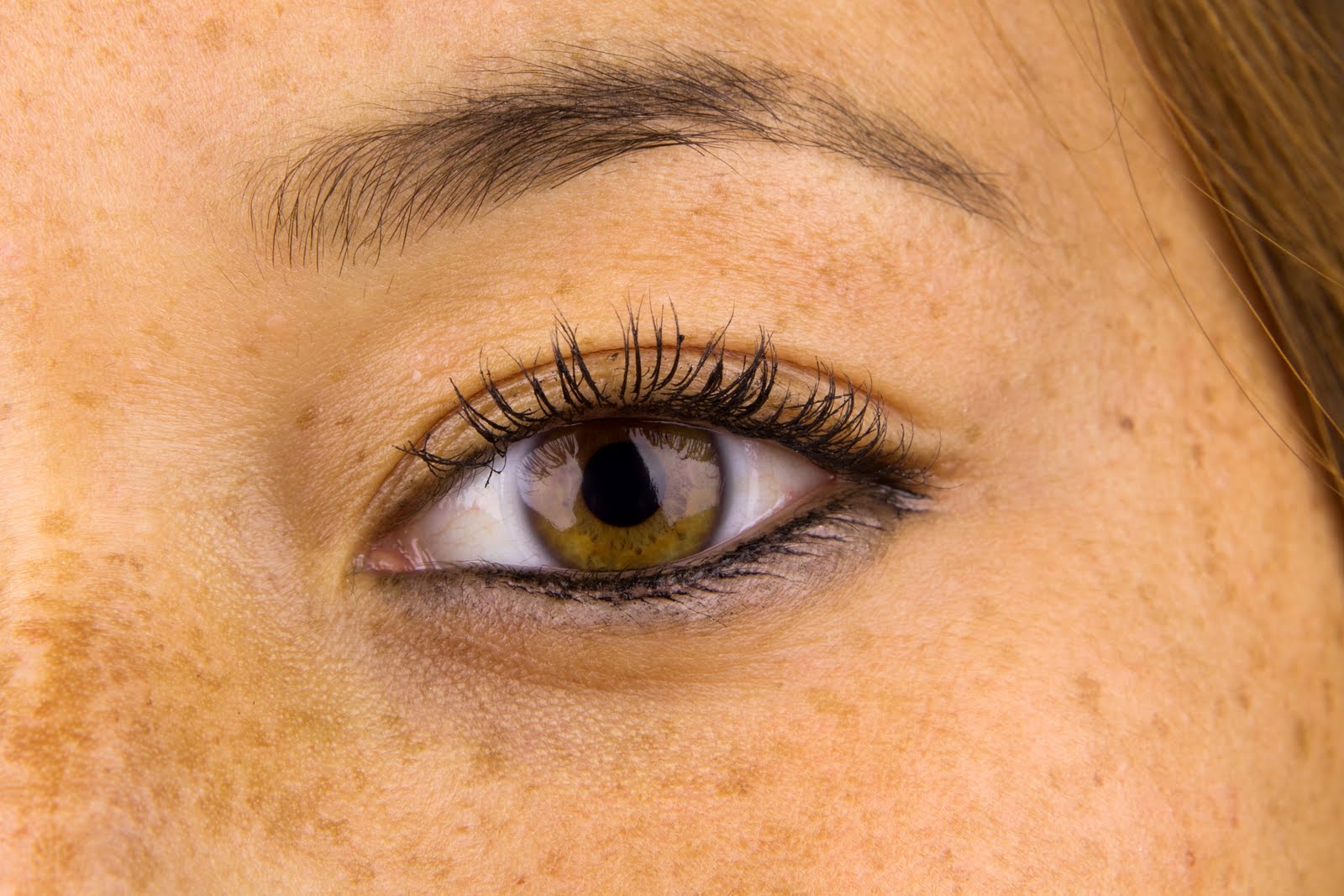
All the days of baking on the beach or frolicking in the sun can play havoc on our skin.  Too much fun in the sun can make you look years, even decades older than your real age. 

Why Does This Happen?
Ultraviolet rays are responsible for the breakdown of collagen fibers – that essential fiber that keeps skin looking young. These broken collagen fibers can lead to wrinkles, fine lines and sagging skin. Sun damage can also take the form of sun spots, and discolored patches. When our pigment producing cells, the melanocytes, become damaged by the sun’s powerful rays, they produce pigment irregularly, resulting in age spots and freckles. The combination of these unfortunate issues makes us look older than we need to. But, don’t get too discouraged. There is hope!

What Can You Do?
One of the quickest routes to removing sun damage and revealing younger-looking skin is the Photofacial or IPL (Intense Pulse Light).  Photofacials work in a couple of ways.  First, the high energy light waves are absorbed into irregular pigmentation and the pigment is destroyed. Second, the heat producing waves encourage skin cell turnover and increase the rate of collagen production resulting in plumper, fresher, smoother skin. This combination results in a more youthful appearance. Photofacialss can also treat broken capillaries and rosacea and can decrease the appearance of large pores. Photofacials are not just limited to the face. Intense Pulsed Light treatments can be performed on the chest and hands, or really anywhere that your skin is showing signs of sun damage such as your arms, shoulders, back and even your legs.

Does it Hurt?
A Photofacial is a little uncomfortable.  Most people tolerate it very well.  During the treatment, an intermittent and tolerable stinging sensation can be felt over the area that is being treated.  A typical treatment takes about 30 minutes. Once the treatment is over, there is no real discomfort – only a mild sunburn-like feeling that may last for a few hours. You may notice right away that the sun spots and irregular pigmentation is darker than before the treatment.

In the days following the treatment, your skin will probably be even darker and more “peppered” looking. In about 7-14 days, this pigment will exfoliate off revealing newer, more even toned skin underneath. Typically it takes several sessions(3 to 6)  to see the full results of the treatment. Your skin will continue to improve for months following the treatment as the collagen continues to grow, filling in fine lines and broken capillaries continue to fade. Many people notice pores decrease in size as well.


If you’d like more information on photofacials, or would like to schedule an appointment, please contact Robert, our Patient Mananger. He can be reached at info@premier-dermatology.com or 415-371-8600 (SF office) /650-551-9700 (Pennisula office)

Thursday, March 24, 2011

“Baby it’s cold outside”…How to take care of your winter skin.

Dr Marie Jhin, a dermatologist in San Francisco Bay Area discusses skin protection.
Spring is almost here, just a few more weeks of winter fun. Even a cloudy and snowy day can damage your skin if it is not protected. Up to 80 percent of the sun's rays can pass through clouds and reflect off the snow.
Sunscreen is essential for a healthy body and to protect and maintain healthy skin. Sunscreen works by reflecting ultraviolet rays off your skin. Some people come back from a winter ski or beach vacation with skin damaged from sun exposure. Remember to cover-up by wearing protective clothing, as well as generously applying a water-resistant sunscreen. You should reapply at least every two hours. Also, seek shade where possible and use extra caution near water, snow and sand.  Sunscreen helps not only reduce skin damage, but also can also reduce the development of wrinkles and skin cancer.

There are many different types of sunscreen. Pick your preference and keep your skin safe!
Please call our office if you need any other sunscreen recommendations or would like to set up an appointment for help in keeping your skin healthier. 

_______________________________________________

BRIGHTEN UP THESE LAST FEW WEEKS OF WINTER

 
Turn your home into a serene escape from the midwinter blues by picking up fresh flowers or playing your favorite music from days gone by. Before bed, soften winter-roughened hands and feet with a rich lotion that will make them soft while you sleep. Take advantage of your blank calendar pages and schedule a month's worth of appointments centered only on you including your trainer, hair stylist and masseur. Stress plays a huge part in the health of the skin. Create a peaceful surrounding and you may just notice your skin looks brighter and more healthy.
_____________________________________________________________

If you’d like more information on sunscreen options, or would like to schedule an appointment, please contact Robert, our Patient Mananger. He can be reached at info@premier-dermatology.com or 415-371-8600 (SF office) /650-551-9700 (Pennisula office)

Wednesday, March 9, 2011

The Black Swan: Skin Gone Wrong…

Dr Marie Jhin, a dermatologist in San Francisco Bay Area discusses skin excoriations.
I saw the movie Black Swan recently and found it interesting on many levels. Though taken to the most extreme degree, one of the issues depicted in the film is a disorder called Neurotic Excoriation. There are certain skin disorders that can lead to or be the result of stress or anxiety. 
Neurotic Excoriation is a result of compulsive picking and scratching of ones skin to the point of damage, which can be permanent. This disorder is normally found on the back of the neck, lower arms and legs, shoulders and face. Skin picking can be anything from poking, prodding, squeezing, tearing or scratching the skin surface. Patients often report the sensation of something crawling or growing on their skin or a feeling there is something underneath or poking from the surface. Anyone is susceptible to this disorder, but it is commonly found in females, ages 30 to 40. When a person has the uncontrollable urge to scratch and/or pick at their skin, they can then be faced with the reality of overcoming this disorder. Though Neurotic Excoriation is underreported, it is serious and can be treated in a variety of ways.Two percent of patients who visit their dermatologist report to having this problem. In our office, we see this in young women who pick their acne on the face or body. This variation of the disorder is known as Acne Excoriee or "pickers acne" and can lead to severe scarring. If you've ever felt or noticed that picking your skin is or has become a habit, please reach out to us.
If you’d like more information on Skincare Treatment options, or would like to schedule an appointment, please contact Robert, our Patient Mananger. He can be reached at info@premier-dermatology.com or 415-371-8600 (SF office) /650-551-9700 (Pennisula office)